
Manuelle Hobelmaschinen
Add a review FollowOverview
-
Founded Date September 6, 1930
-
Sectors Restaurant / Food Services
-
Posted Jobs 0
-
Viewed 4
Company Description
10 Quick Tips To Woodworking Planing Machines
An In-Depth Look at Woodworking Planing Machines
Woodworking is an art that needs precision, skill, and the right tools. Amongst the crucial equipment in any woodshop is the woodworking planing maker. These machines play a significant function in shaping, flattening, and ending up wood surface areas, ensuring that the end product is smooth, even, and ready for further procedures or projects. This post explores the intricacies of woodworking planing machines, covering their performance, types, maintenance, and typical FAQs.
Understanding Woodworking Planing Machines
What is a Planing Machine?
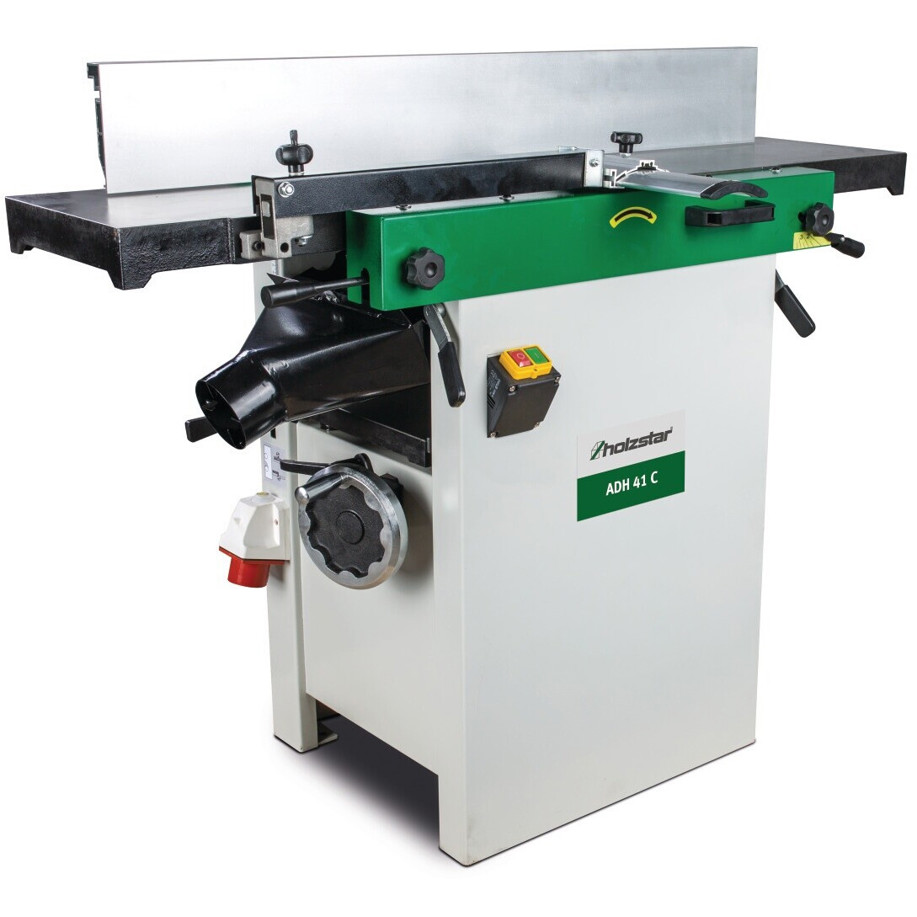
A woodworking planing device, commonly called a planer, is a device that smooths and minimizes the density of wood boards. It eliminates a small quantity of product from the surface of the wood, resulting in an even and flat surface area. This machine is important for both specialists and hobbyists in developing furniture, kitchen cabinetry, Manuelle Hobelmaschinen and other wood structures.
How Do Planing Machines Work?
The main function of a planer is to use rotating knives or blades to slash off the wood surface. As the wood travels through the machine, these blades cut the product to achieve the desired thickness. The procedure not just boosts the looks of the piece however likewise prepares the wood for subsequent treatments such as sanding or completing.
Kinds Of Woodworking Planing Machines
Understanding the different kinds of planing machines readily available can help in making a notified acquiring choice. Below is a breakdown of the typical types:
| Type of Planing Machine | Description | Use Case |
|---|---|---|
| Surface area Planer | A maker created to flatten one face of a board while edge signing up with. | Ideal for preparing rough lumber for furniture making. |
| Thickness Planer | Particularly designed to minimize the density of the wood to a desired measurement. | Perfect for resizing thicker wood to uniform thickness. |
| Jointer/Planer | Combines both density planing and participating one maker. | Highly versatile, appropriate for small workshops. |
| Portable Planer | A light-weight, handheld planer developed for movement. | Best for on-site adjustments and less extensive projects. |
Secret Features to Consider
When choosing a woodworking planer, numerous functions ought to be taken into consideration:
- Table Size: A bigger table can support longer boards, reducing the danger of snipe (a flaw triggered by the material being lifted at the feed point).
- Cutter Head Speed: A faster cutter head speed results in a smoother surface but may increase noise.
- Motor Power: More powerful motors can deal with more difficult woods and produce thicker cuts.
- Dust Collection System: An efficient dust collection system keeps the office tidy and is important for health and wellness.
- Adjustable Depth Settings: This permits the user to manage how much material is removed with each pass, providing adaptability in usage.
Maintenance Tips for Woodworking Planing Machines
Maintaining a woodworking planing maker is crucial for its longevity and optimal efficiency. Here are some essential maintenance pointers:
- Regular Cleaning: Remove wood chips and dust after each use. This prevents buildup which can result in mechanical problems.
- Blade Inspection and Sharpening: Inspect blades frequently for wear and sharpen or replace them as needed to ensure quality surfaces.
- Lubrication of Moving Parts: Lubricate bearings, gears, and any other moving elements according to the maker’s instructions.
- Inspect Alignment: Regularly check that the tables are level and aligned to prevent uneven cuts.
- Assessment of Electrical Components: Ensure that all circuitry and electrical components remain in excellent condition to prevent electrical threats.
Woodworking planing machines are important tools in any woodshop, offering precision and performance in shaping wood. As woodworking continues to grow in popularity, understanding the various types of planers along with their upkeep will empower both amateur and professional woodworkers alike. Whether you are seeking to purchase a brand-new machine or enhance your existing toolkit, guaranteeing that you choose the ideal equipment customized to your needs can considerably boost your woodworking results.
Frequently Asked Questions About Woodworking Planing Machines
1. What is the difference between a surface planer and a density planer?
A surface planer is used to flatten one side of the wood and ensure that the edges are square, while a thickness planer is designed specifically for decreasing the thickness of wood to an uniform size.
2. How do I avoid snipe when using a planer?
To lessen snipe, ensure that your boards are sufficiently supported at both the infeed and outfeed ends of the planer. Furthermore, taking lighter cuts can help in reducing the possibility of snipe.
3. Are more pricey planers worth the financial investment?
While pricier planers frequently come with more features, much better build quality, and greater resilience, it ultimately depends upon your woodworking needs. For frequent, sturdy use, investing in a higher-end model can conserve cash in the long run.
4. How frequently should I replace the blades on my planer?
The frequency of blade replacement depends on the quantity and type of wood being planed. As a general rule, check the blades after every few hours of use and change them when they show signs of dullness.
5. Can I use my planer for woods?
Yes, most modern woodworking planers are created to deal with woods. Always examine the specifications of your specific design to guarantee it can manage the type of wood you are dealing with.
By understanding the significance of woodworking planing machines and how to look after them, woodworkers can greatly boost their performance and the quality of their projects.